Blog
How Long Does Boiler Installation Take? Property Factors
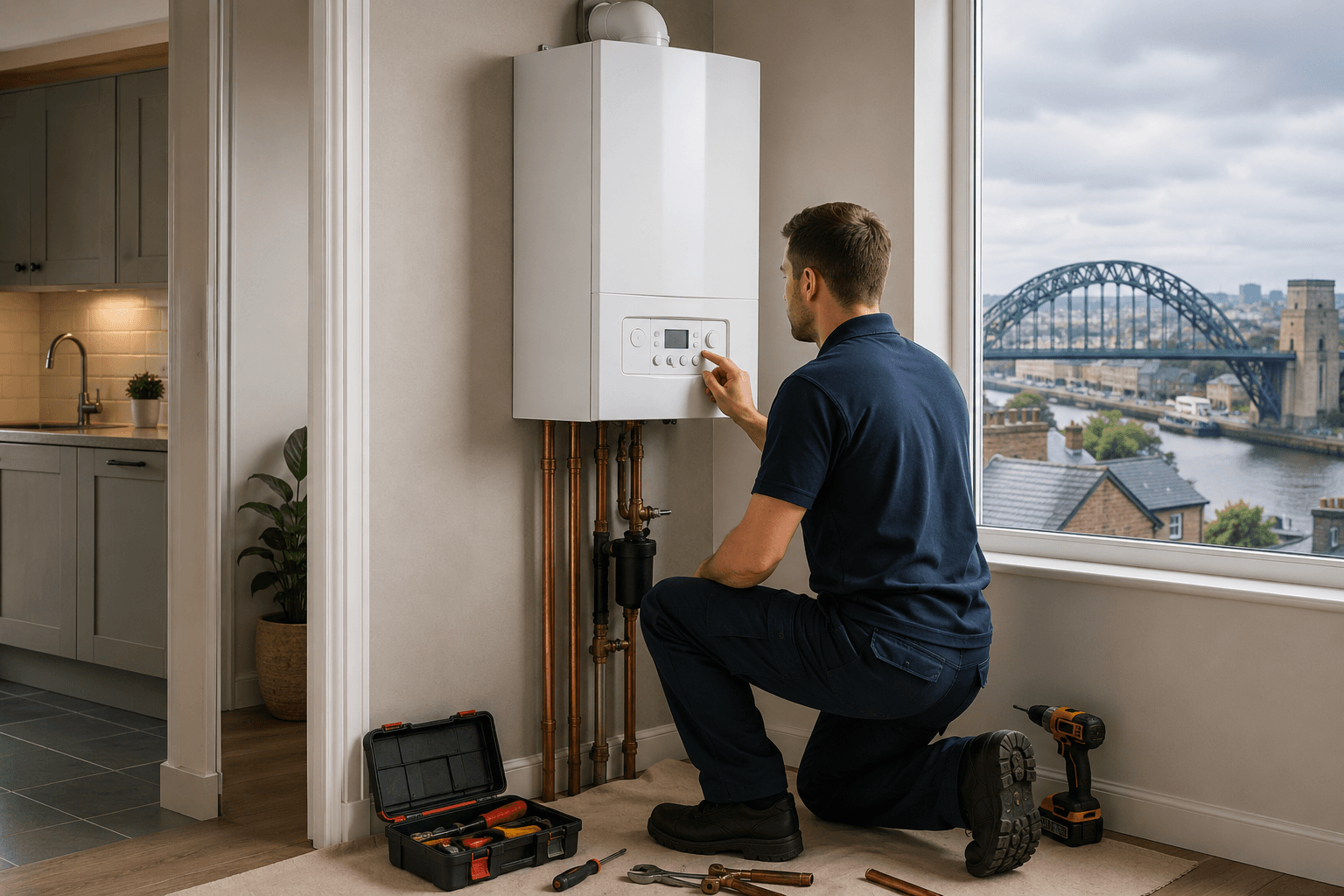
The boiler itself is only one part of an installation. What matters is how it connects to your home: where it can sit, how the flue can be routed, what needs changing in the pipework and whether the existing heating system can be reused as it is.
That is why two homes having a new boiler fitted can involve quite different work. If you are in South Shields, understanding these property factors can help you know what to ask before booking. Our Boiler Installation page gives the service overview, while this guide explains what can affect the work in your home.
The existing boiler and heating system
A replacement in the same position, using compatible connections, may involve less alteration than a change to the system layout. Even when a boiler stays in the same room, the new unit may have different connection points. The installer needs to consider whether the existing pipework can meet the new appliance’s requirements or needs adjustment.
The type of heating system matters too. A combi boiler heats water on demand, while a system or regular boiler works with stored hot water. Changing between these arrangements can involve more than swapping the appliance. For example, a home moving away from a hot water cylinder needs the old arrangement assessed, and the new setup planned around how the household uses hot water.
Think about your usual demand before discussing options. How many bathrooms are used at once? Is hot water needed at several outlets simultaneously? These details help frame whether a different system layout is appropriate, rather than choosing purely by the boiler’s position.
Boiler position, access and the flue route
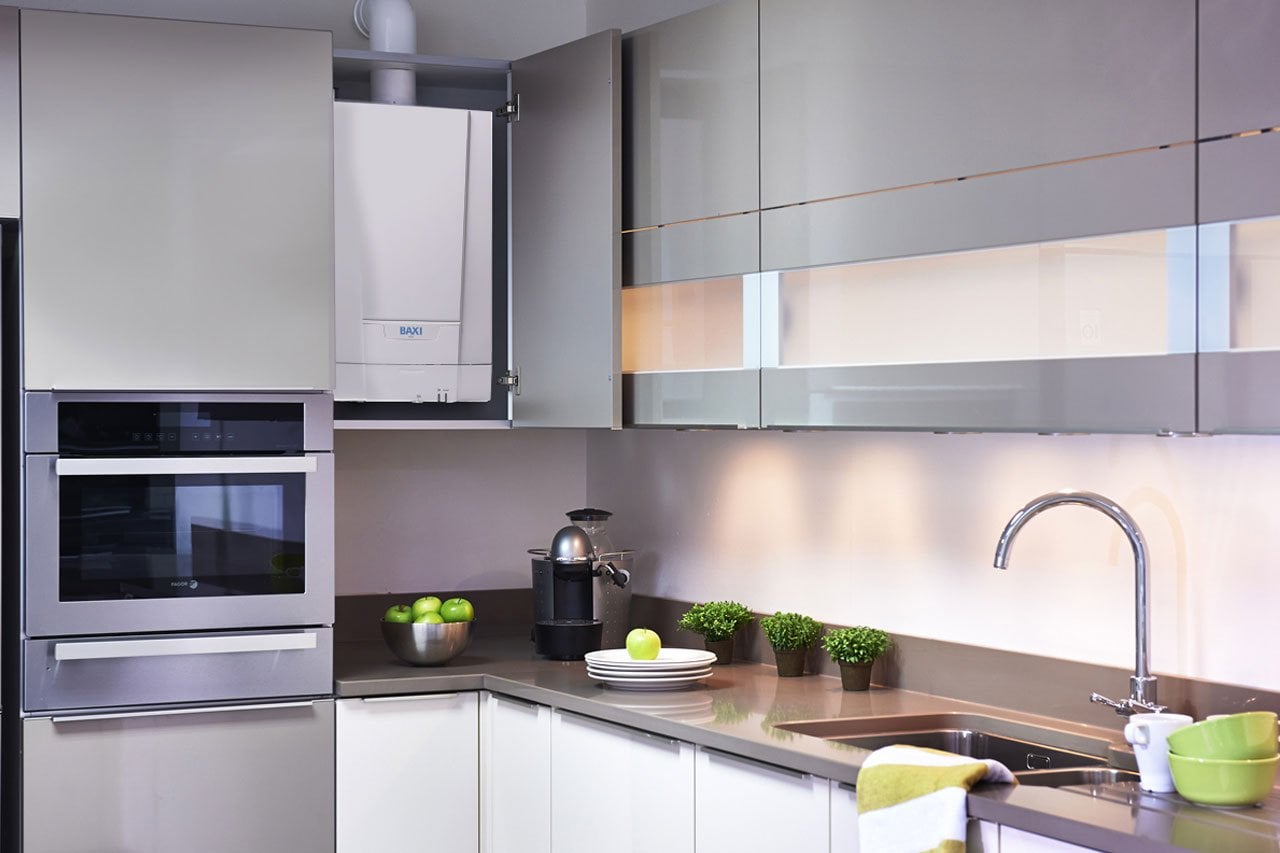
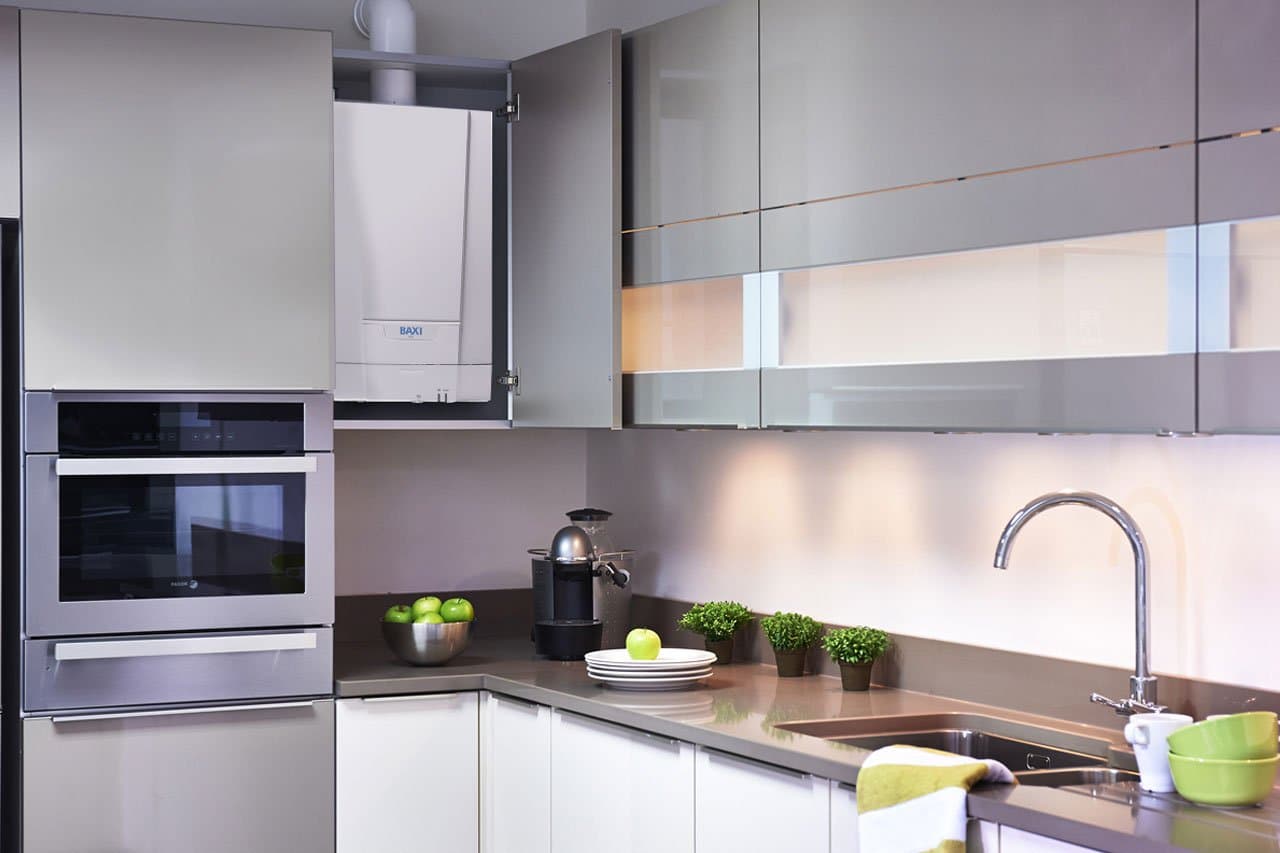
The location can affect the work even when it seems straightforward. An installer needs suitable access to the appliance and its connections. A boiler in a crowded cupboard, loft or tight kitchen space may require more preparation than one with clear working space.
The flue route is another important factor. The flue carries gases produced when the boiler burns fuel outside, so its route and where it ends outside must suit the property and comply with applicable requirements. If a new position is being considered, the route through walls, ceilings or roof space needs to be assessed. A route that is difficult to reach or cannot be used as proposed may change the installation plan.
Before a visit, you can make access easier by clearing items around the boiler, the route to it and any relevant controls or cylinder. You do not need to open the boiler casing or alter any gas, electrical or water connections.
Pipework, drainage and power
A new boiler may need connections that differ from those of the old appliance. The existing gas pipework, heating pipes, electrical supply and the boiler's waste-water drain all need to be considered in relation to the proposed boiler and its location.
For instance, if the boiler is moved, the boiler's waste-water pipe may need a suitable route to a drain. If pipework is undersized, poorly positioned or difficult to access, extra work may be needed before the installation can be completed properly. These are property conditions, not details that can reliably be judged from the boiler model alone.
Tell the installer about any known issues, such as previous leaks, pressure loss or parts of the heating system that do not work as expected. That information helps identify what should be checked as part of the installation plan. Do not try to repair a suspected gas leak or work on the appliance yourself.
What to discuss before agreeing the work
A useful conversation should cover more than the make and model of the boiler. Ask which parts of the existing system will remain, whether the boiler is staying in the same place, what the flue route involves and whether any pipework or drainage changes are anticipated. If controls are being changed, clarify what will be fitted and how it will operate with your heating system.
You can also describe the household’s hot water needs and mention access restrictions, such as a narrow stairway or a boiler inside a fitted cupboard. These details help make the proposed scope more specific to your home. The work plan should make clear what is included and what would need to be discussed separately if an unexpected issue is found.
A property specific plan
The most useful estimate of the work comes from considering the whole installation, not just the appliance. System type, boiler position, flue access, connections and the condition of the existing setup all influence what needs to happen.
If you are planning a boiler replacement in South Shields, speak with us at SK Gas Heating & Plumbing Limited about your property and the system you have now. We can discuss the factors that need assessing and help you understand the proposed scope before the work is arranged.
Other Articles